The First Habit to Slip on a Crowded Day
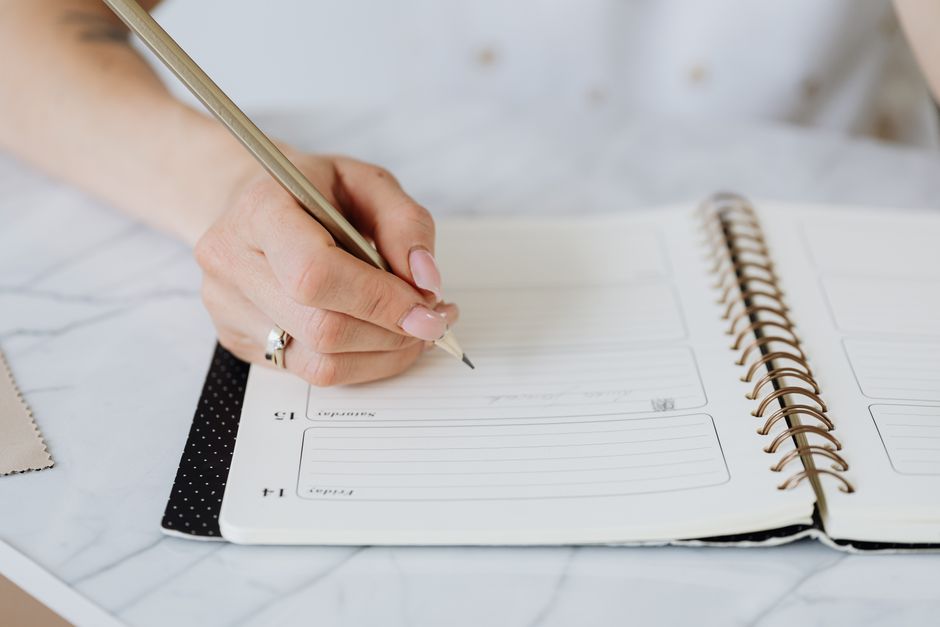
The kitchen counter is cluttered with remnants of a rushed breakfast. A half-finished cup of coffee sits next to an open planner, its pages untouched. The clock ticks closer to the hour, and the work clothes that were supposed to be changed into still cling to the body, a reminder of time slipping away. The morning routine, once a well-oiled machine, is now a series of missed steps, starting with the essential act of packing the bag. The planner, meant to guide the day, remains closed, signaling a breakdown in the carefully structured weekday routine.
As the minutes dwindle, the small mistakes compound. The decision to skip a quick glance at the planner leads to a chaotic scramble for keys and important documents, which are now buried under yesterday's mail. This misstep not only disrupts the flow but also sets a tone for the day, where each task feels like a race against the clock. The critical moment of packing the bag, often a simple task, transforms into a frantic search, leaving essential items behind and creating a ripple effect of inconsistency that can derail even the best-laid plans.
The Morning Routine Breakdown
The kitchen counter is a chaotic mix of breakfast dishes and the closed planner, a silent witness to the morning's disarray. The clock ticks closer to the hour, yet the work clothes still cling to the body, a reminder that time is slipping away. As the minutes dwindle, the sense of rush intensifies, making it easy to overlook the small, critical steps that keep the routine intact.
With a quick glance at the cluttered counter, the decision to skip checking the planner feels harmless at first. However, this small mistake spirals into a frantic scramble for keys, which are buried under yesterday's mail. The planner, meant to guide the day, remains untouched, leaving the mind racing without a clear direction. The act of packing the bag, usually a straightforward task, becomes a chaotic search for essential items, like the laptop charger that should have been placed by the door.
To regain some control, a quick adjustment is needed: placing the planner in a visible spot on the counter, right next to the coffee maker. This simple move ensures that it catches the eye each morning, serving as a reminder to check it before diving into the day. But as the routine falters and the clock ticks on, the feeling of inconsistency grows, highlighting how easily one small mistake can disrupt a carefully planned morning.
The Small Mistake That Disrupts Everything
This same friction shows up again in Everyday Life In The, especially when the day tightens unexpectedly.
As the clock ticks past the usual start time, the morning routine begins to unravel. The work clothes, still on from the night before, serve as a constant reminder of the time lost. With a glance at the kitchen counter, the planner sits unopened, its pages untouched, signaling a missed opportunity to reset the day. This small oversight creates a ripple effect: breakfast is hastily prepared, and the bag is packed in a rush, leading to essential items being left behind.
In the scramble to leave, the laptop charger—a crucial piece for the day’s work—gets forgotten. Instead of methodically checking the planner for the day’s tasks, the focus shifts to the immediate need to get out the door. This chaotic energy makes it easy to overlook the planner’s presence, which could have provided clarity and direction. The act of packing the bag, usually a straightforward task, turns into a frantic search, leaving the mind racing and unprepared for the first work block.
To regain some control, a small adjustment is necessary: placing the planner right next to the coffee maker as a visual cue. This ensures it catches the eye each morning, serving as a reminder to check it before diving into the day. However, the earlier mistakes linger, creating a sense of inconsistency that can be hard to shake off. The simple act of forgetting one item can cascade into larger issues, highlighting how easily a single small mistake can disrupt a carefully planned routine.
Quick Fixes for a Crowded Morning
A slightly different version of this problem appears in Daily Routines Real Life, where the sequence changes but the hidden drag feels familiar.
After a chaotic start, the first step to regain control is to ensure the packed bag is placed right by the door. This small adjustment transforms it into a visual cue that prompts the mind to remember essential items before leaving. Without this, it's all too easy to forget something crucial, like a laptop or a lunch, which can derail the entire day.
- Set a timer for five minutes to review the planner and prioritize tasks.
- Place the packed bag by the door as a visual reminder.
- Open the planner first thing to avoid overlooking tasks.
By implementing these quick fixes during the first work block, it becomes easier to pivot from the morning's slip. The five-minute timer acts as a gentle nudge to refocus, ensuring that the day starts with intention rather than chaos. This small routine adjustment can make all the difference in maintaining consistency throughout the week.
Creating a Repeatable Pattern for Busy Days
After a chaotic morning, the key to regaining control lies in establishing a nightly reset routine. Each evening, take ten minutes to lay out work clothes on the kitchen counter, right next to the packed bag. This not only saves time in the morning but also serves as a visual reminder that keeps the day’s priorities front and center. When you see the clothes ready to go, it reinforces the commitment to stick to the plan.
Each morning, identify one critical task that must be completed before stepping out the door. This could be as simple as checking the planner to confirm the day’s meetings or ensuring that the laptop is charged and in the bag. By focusing on this single task, you create a small but significant anchor in your routine that can help prevent the day from slipping away into chaos.
To make this pattern stick, consider the sequence of actions: first, check the planner, then grab the packed bag, and finally, put on the work clothes. This order creates a rhythm that becomes familiar over time. If the planner remains closed on the table, it’s easy to overlook essential tasks, leading to more stress later in the day. By incorporating this small adjustment into your evening routine, you set yourself up for success, allowing for a smoother transition into the busy day ahead.
As the day unfolds, it’s easy to let a single missed check throw your entire routine off course. If you find yourself rushing out the door without checking the planner, you may forget crucial tasks, leading to a chaotic start. The work clothes that you meant to change out of linger longer than intended, pulling you further from the rhythm you were aiming for. A small adjustment, like placing your planner next to your keys on the kitchen counter, can serve as a visual reminder to reset your focus before leaving.
In the midst of a busy morning, prioritize that one action: check the planner. This simple step can help mitigate the ripple effects of a late start. By anchoring your routine with this small but significant task, you can regain control and ensure that your day is aligned with your goals. Next time, make it a point to pack your bag the night before and place it by the door, so it’s the first thing you see as you grab your keys. This small check can help you reclaim the consistency you’re striving for, even on crowded days.